Skin & Cosmetic Peptides
Peptides researched for skin regeneration, collagen synthesis, and cosmetic applications. GHK-Cu (copper peptide) is the most studied. Also includes Argireline, Matrixyl, and SNAP-8 — peptides used in skincare formulations and wound healing research.
Compounds
6
Most Studied
GHK-Cu
COA Verified
100%
Limited offer
Shop Skin & Cosmetic peptides — 50% off
Use code ENHANCED at checkout. COA-verified, third-party tested, ships fast.
Researched compounds
All Skin & Cosmetic peptides
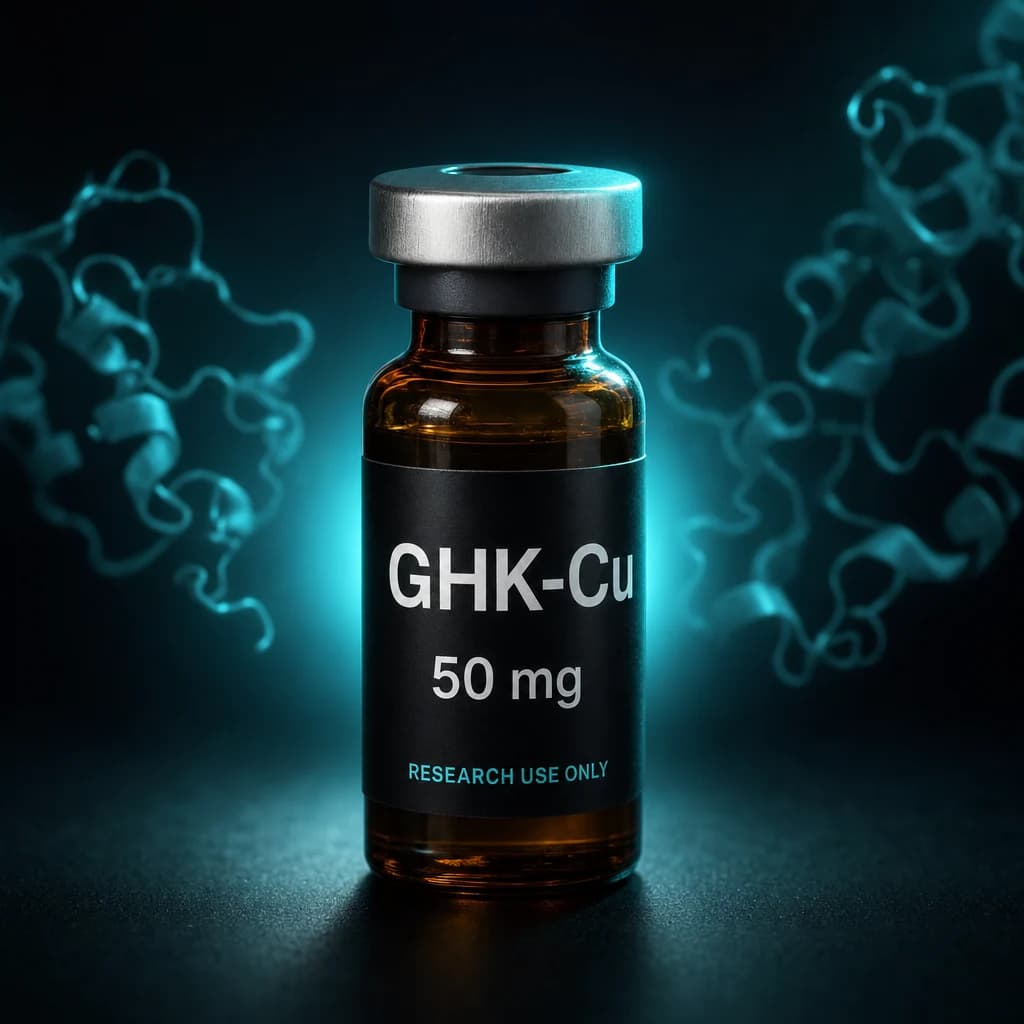
GHK-Cu
Copper peptide for collagen synthesis, skin regeneration, and wound healing
Half-life
~2-3 hours
Purity
≥98%
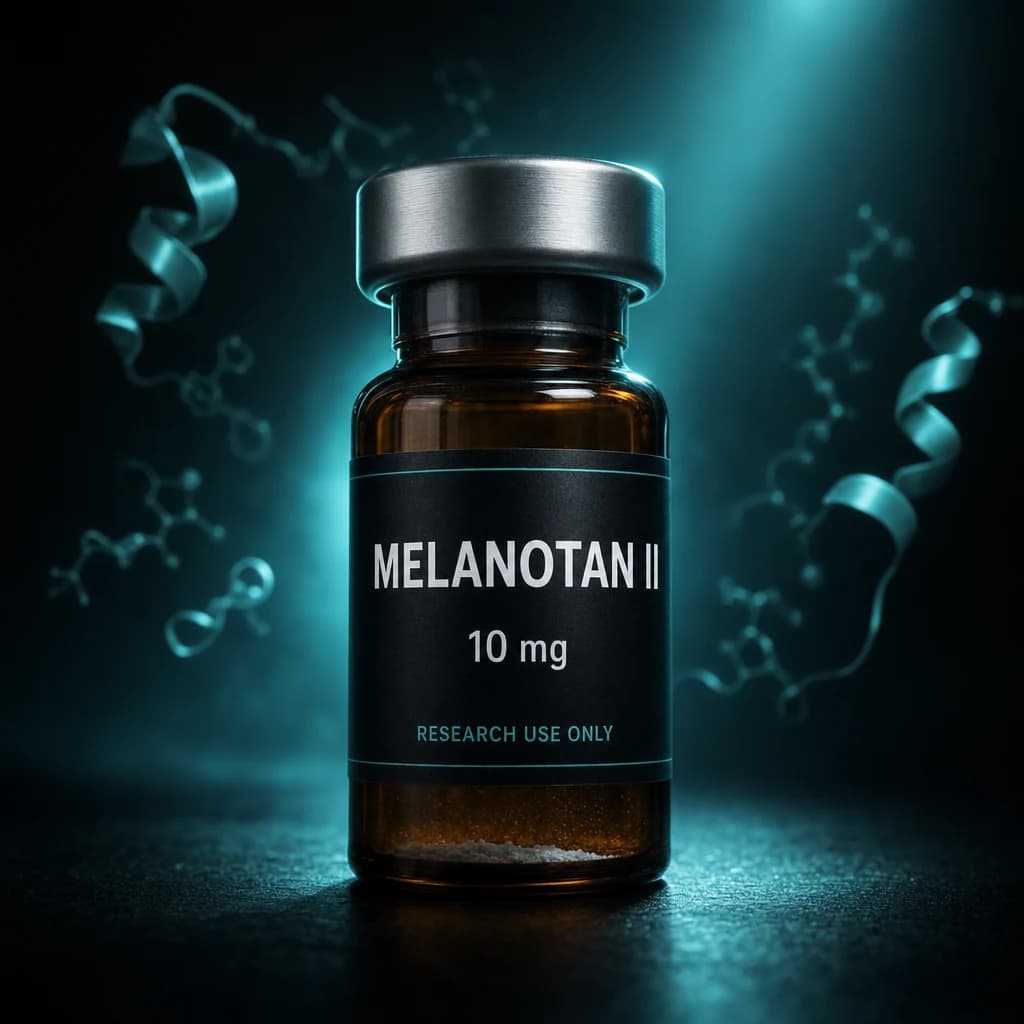
Melanotan II
Synthetic alpha-MSH analog researched for melanogenesis, UV-independent tanning, and libido effects
Half-life
~1 hour
Purity
≥98%
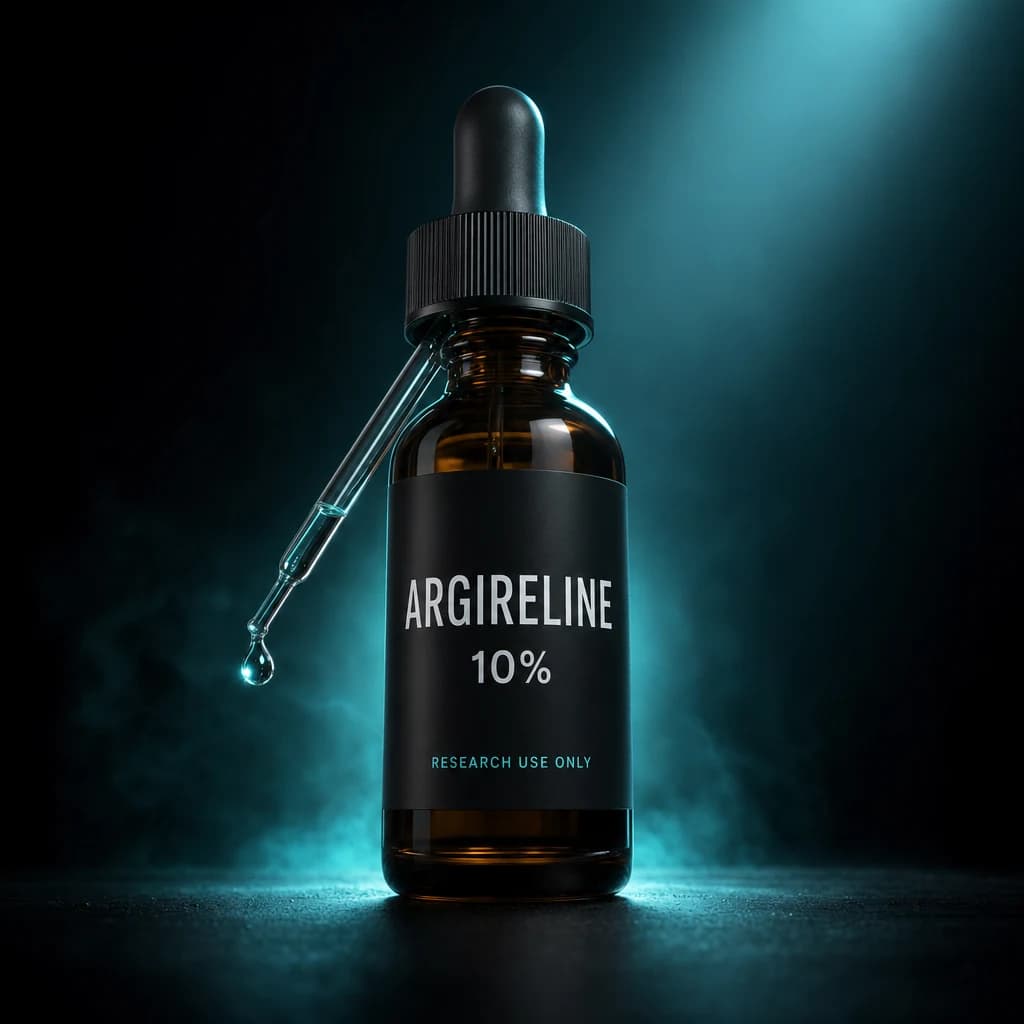
Argireline
Acetyl hexapeptide-8 studied for expression line reduction
Half-life
Topical absorption — N/A systemic
Purity
≥95%
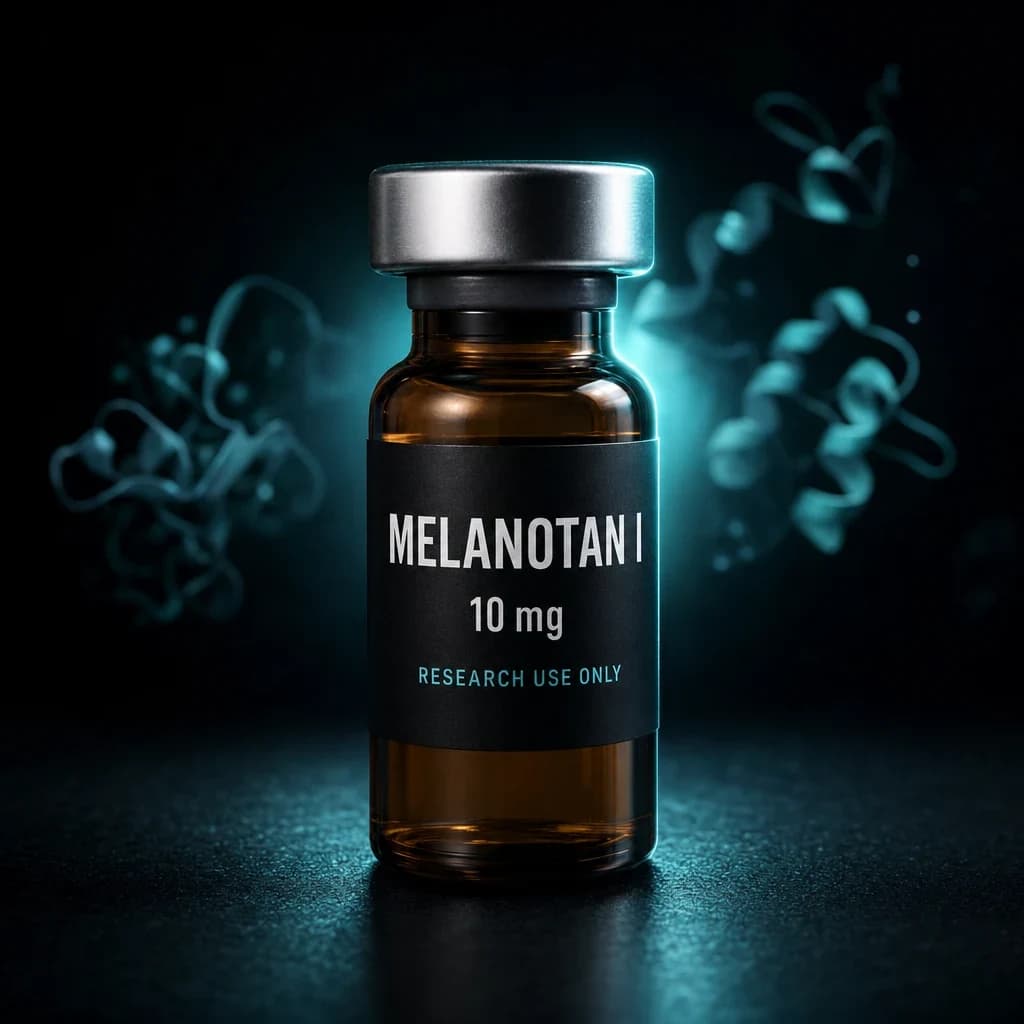
Melanotan I
MC1R-preferring alpha-MSH analog (afamelanotide) researched for melanogenesis and photoprotection with far fewer central effects than Melanotan II
Half-life
~30-60 min (free peptide); Scenesse implant depot ~5 days
Purity
≥98%
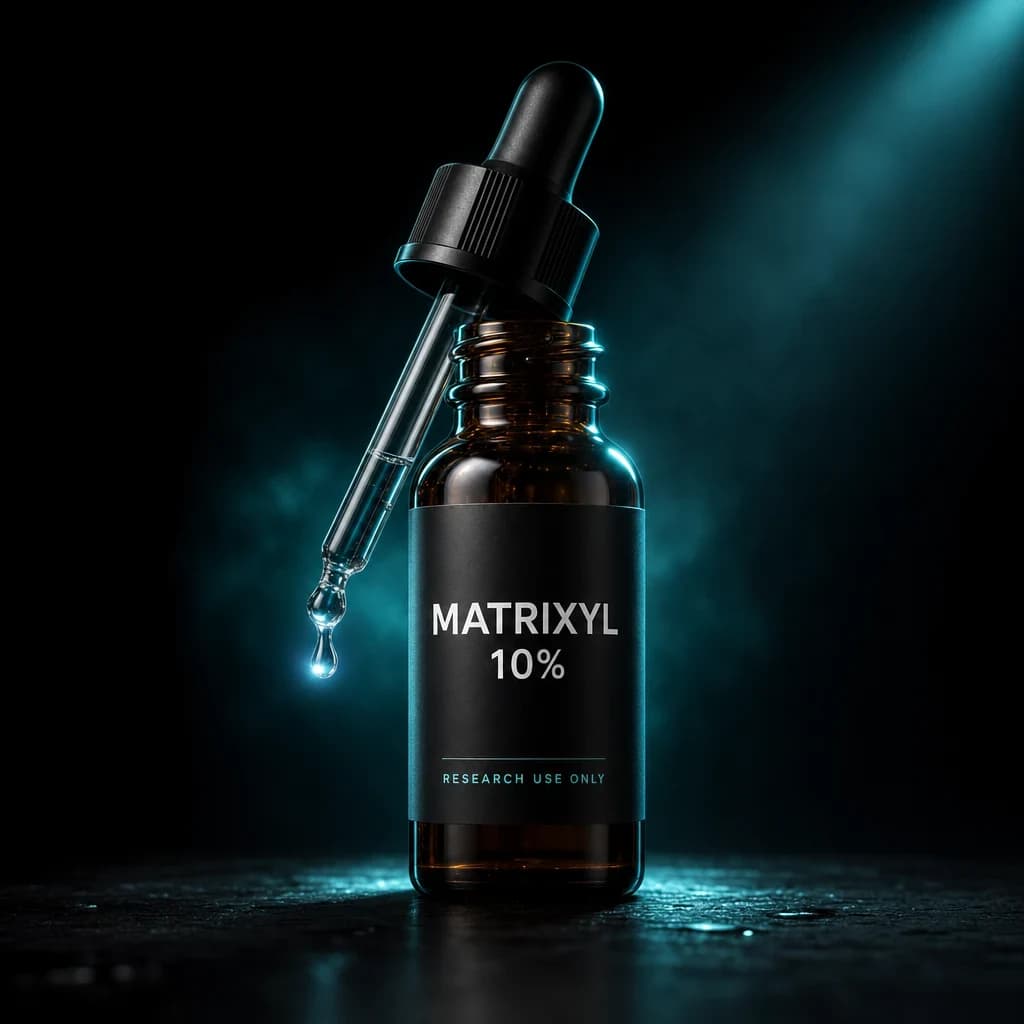
Matrixyl (Palmitoyl Pentapeptide-4)
Palmitoyl pentapeptide-4 (pal-KTTKS) matrikine studied for topical collagen stimulation and wrinkle reduction
Half-life
Topical, minimal systemic absorption. Free KTTKS degrades within minutes in skin; the palmitoyl chain slows breakdown [4].
Purity
≥95%
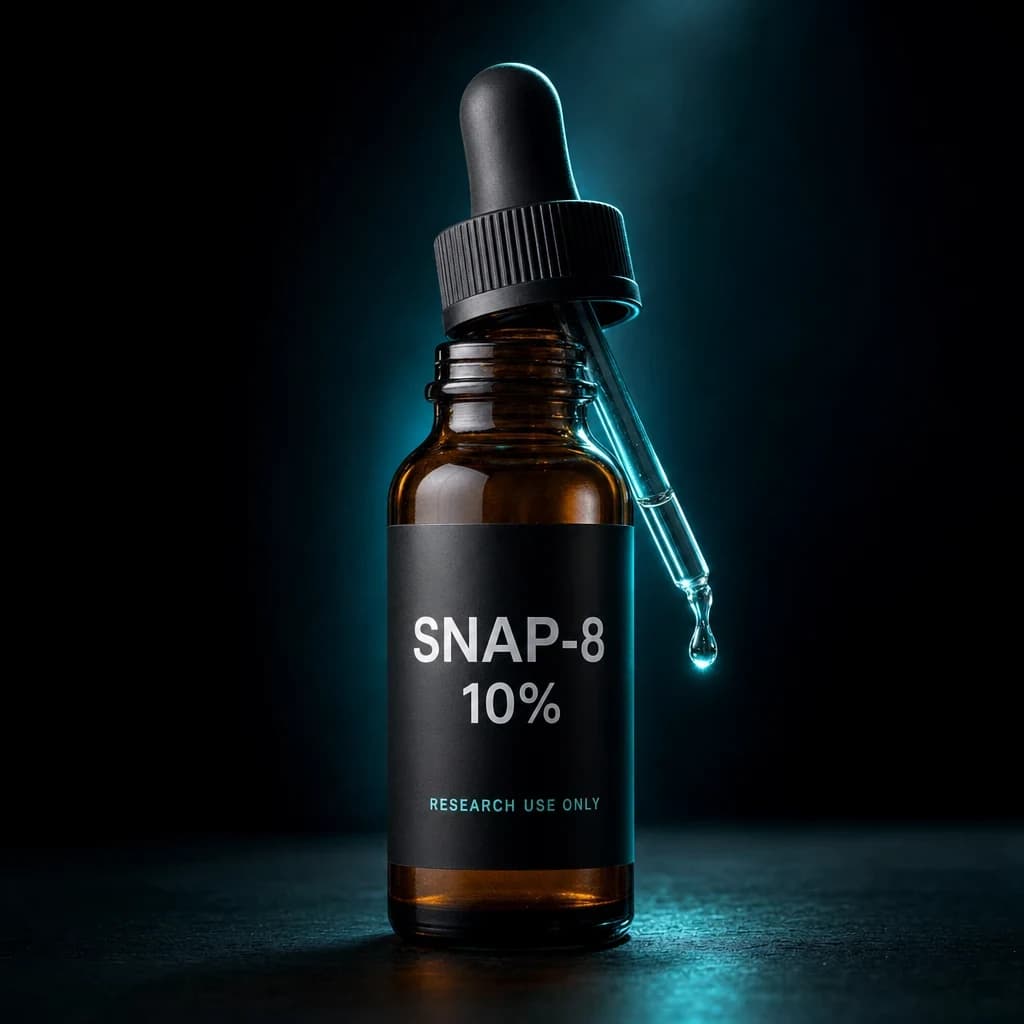
SNAP-8
Acetyl octapeptide-3, an elongated Argireline analog studied for softening dynamic expression lines
Half-life
Topical; not systemically characterized
Purity
≥95%
01 — Overview
What are skin & cosmetic peptides?
Peptides researched for skin regeneration, collagen synthesis, and cosmetic applications. GHK-Cu (copper peptide) is the most studied. Also includes Argireline, Matrixyl, and SNAP-8 — peptides used in skincare formulations and wound healing research.
02 — Mechanism
How do they work?
Each compound in this category targets a specific biological pathway — receptor agonism, enzyme modulation, or cellular signaling. The mechanisms drive both the benefits and the side-effect profile, so understanding them is essential before designing any research protocol.
03 — Considerations
What to consider
Source matters. Always verify Certificate of Analysis (COA), storage conditions, and reconstitution protocol. Cross-reference half-life with dosing frequency, and review existing clinical data before extrapolating between research models.
Frequently asked
Common questions
What are skin & cosmetic peptides?
Skin & Cosmetic peptides are a class of research peptides studied for specific biological pathways and outcomes. Each compound has its own mechanism, dosing protocol, and body of evidence. We curate the most-researched options on this page.
How do I choose between compounds in this category?
Compare mechanism of action, half-life, dosing convenience, and the depth of clinical or preclinical research. Click any compound below for a full guide including FAQs and a reconstitution calculator.
Where can I source research-grade skin & cosmetic peptides?
We partner with Ascension Peptides for third-party-tested, COA-verified peptides. Use code ENHANCED at checkout for 50% off any order.
Are these peptides legal?
Research peptides are sold for laboratory and educational purposes only. They are not approved for human use. Always comply with the laws of your jurisdiction.
Ready to start your skin & cosmetic research?
COA-verified peptides from Ascension Peptides. 50% off with code ENHANCED.
Explore more